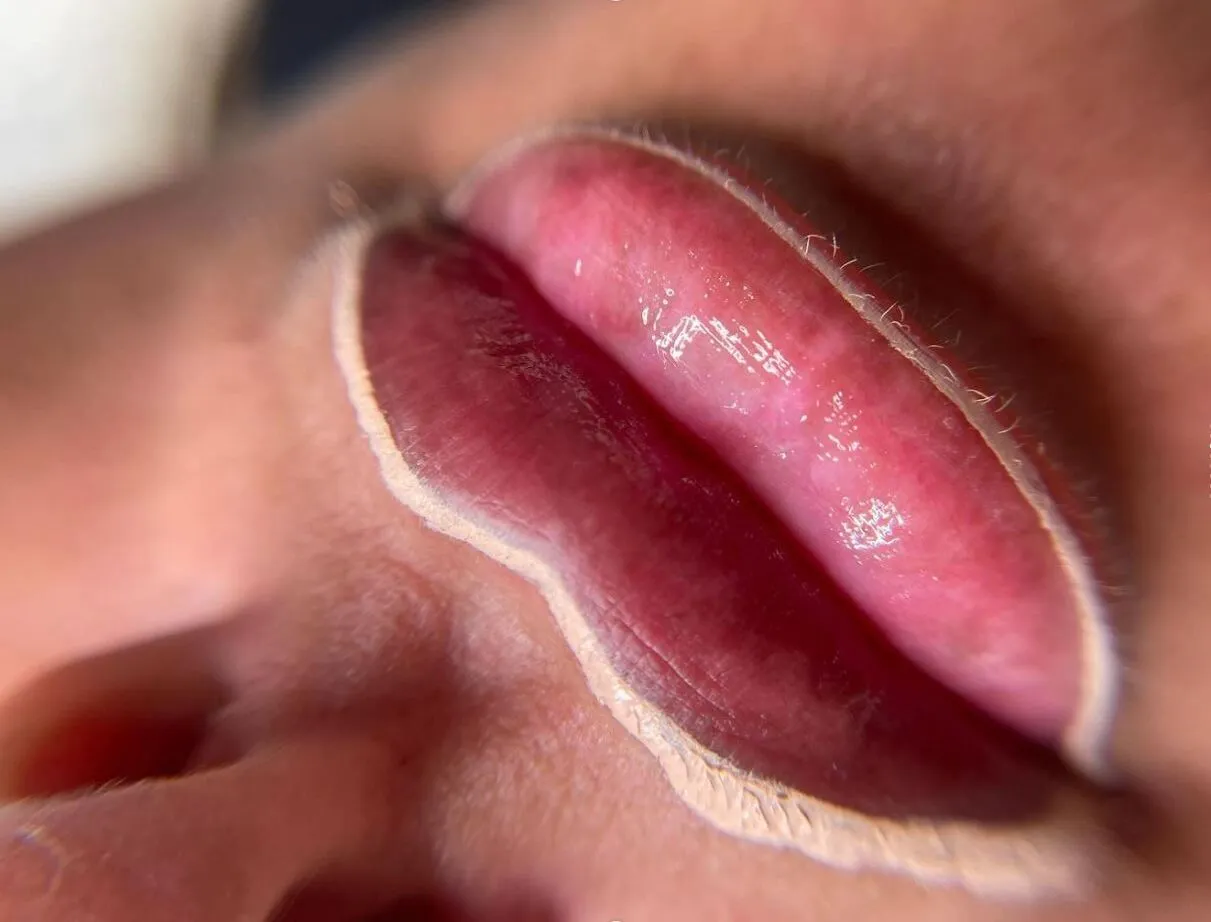
Post-Tattoo Diet: Foods to Avoid During Lip Tattoo Healing
A lip tattoo, also known as a lip blush tattoo, is a form of cosmetic tattooing that enhances the shape, colour and definition of your lips, giving them a subtle or more intense pop of color. Like any tattooing procedure, the lip tattoo aftercare is key to getting the best results. Post-tattoo diet is important to ensure your tattoo heals smoothly and retains the true colour of the pigment.
While following aftercare instructions like keeping your lips moist, applying aftercare cream and avoiding sun exposure is important, many people forget how diet plays a big role in the healing process. The food and drinks you consume during the lip tattoo healing process can affect your healing time, the appearance of the tattoo and the overall outcome of the procedure. Eating the wrong food can cause excessive bleeding, irritation or even trigger cold sores, which can affect how well your lips heal and how the colour settles into the lip tissue.
In this article we’ll talk about the foods and drinks to avoid during the healing stage of your lip tattoo, how diet affects the healing process and tips to ensure your lips heal beautifully with vibrant and long lasting results.
Spicy Food
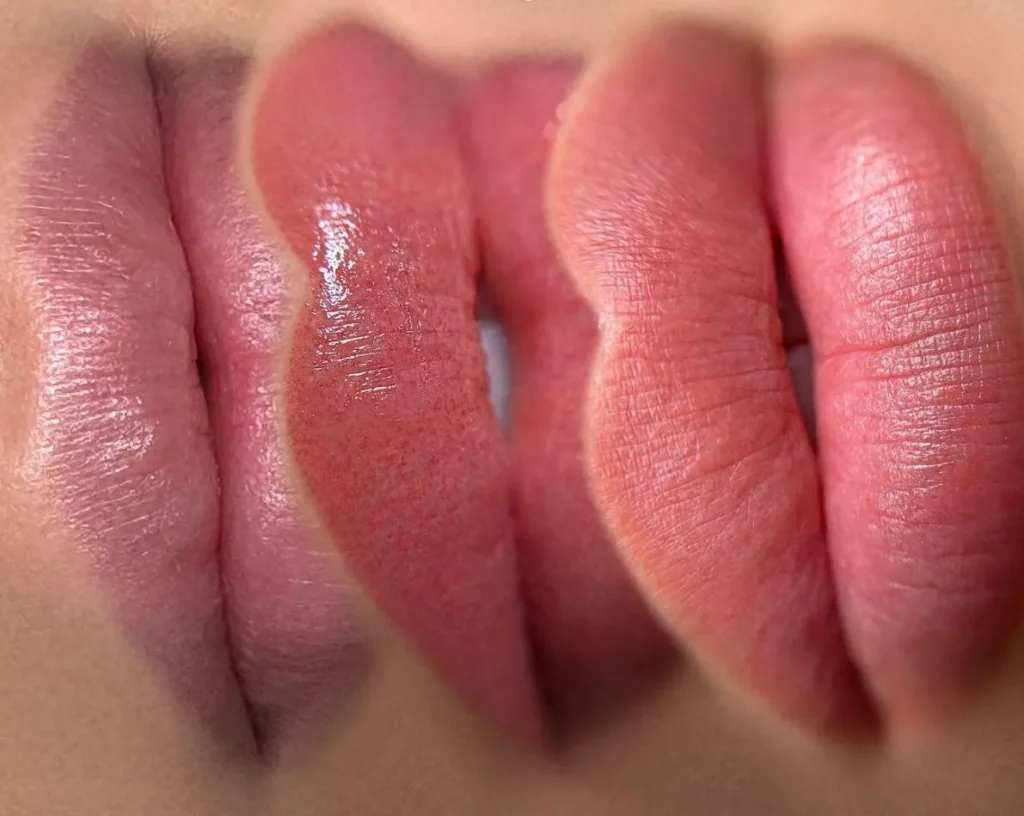
Spicy food is one of the worst things to eat while healing from a lip tattoo procedure. Spices like chili, cayenne and paprika contain capsaicin which can cause increased blood circulation and bleeding and swelling of the lips. This increased sensitivity can cause discomfort and irritation and affect how the pigment sets into the lip tissue.
Spicy food can also irritate skin sensitivities and make healing take longer and cause uneven or patchy color once your tattoo heals. It’s best to avoid spicy food altogether during the healing stage to promote smooth healing and get the true color of your lip tattoo.
Acidic Foods and Drinks
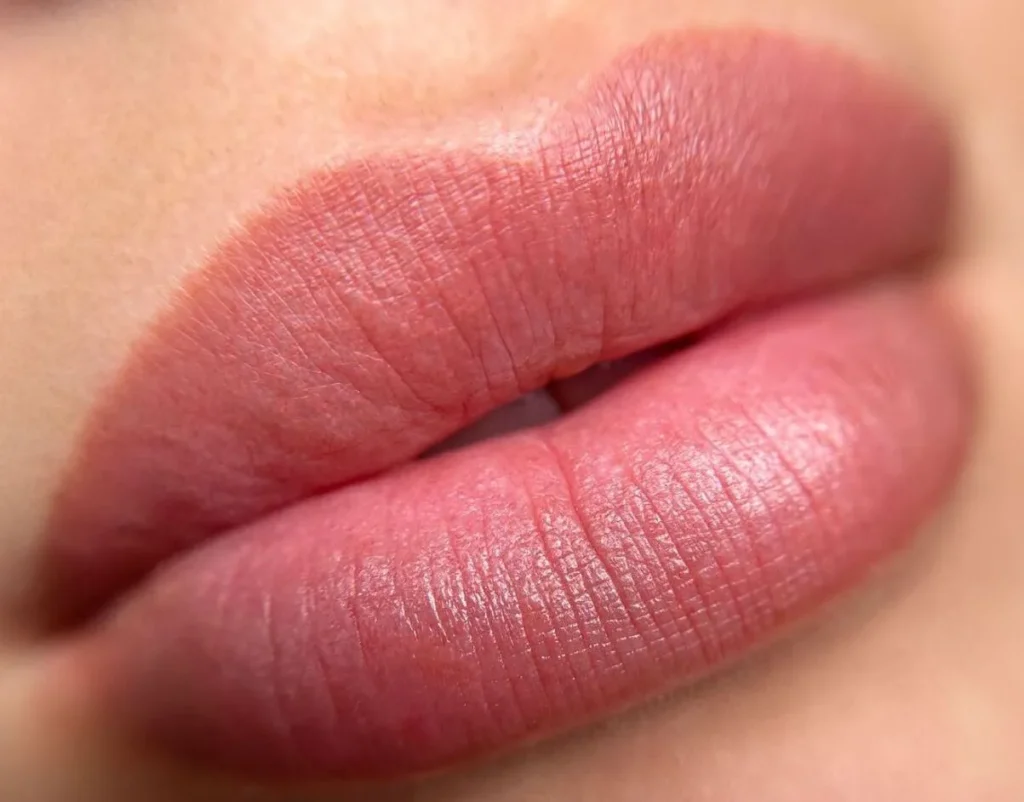
Acidic foods like citrus fruits (lemons, limes, oranges), tomatoes and vinegar based products can irritate healing skin. When your lips are healing, the acid from these foods can break down the skin’s protective barrier and cause flaking skin and discomfort. This can disrupt the natural skin regeneration process and cause prolonged healing or uneven pigment retention.
And acidic drinks like orange juice, lemonade and soda too. These can cause stinging or irritation around the tattooed area.
Salty Foods
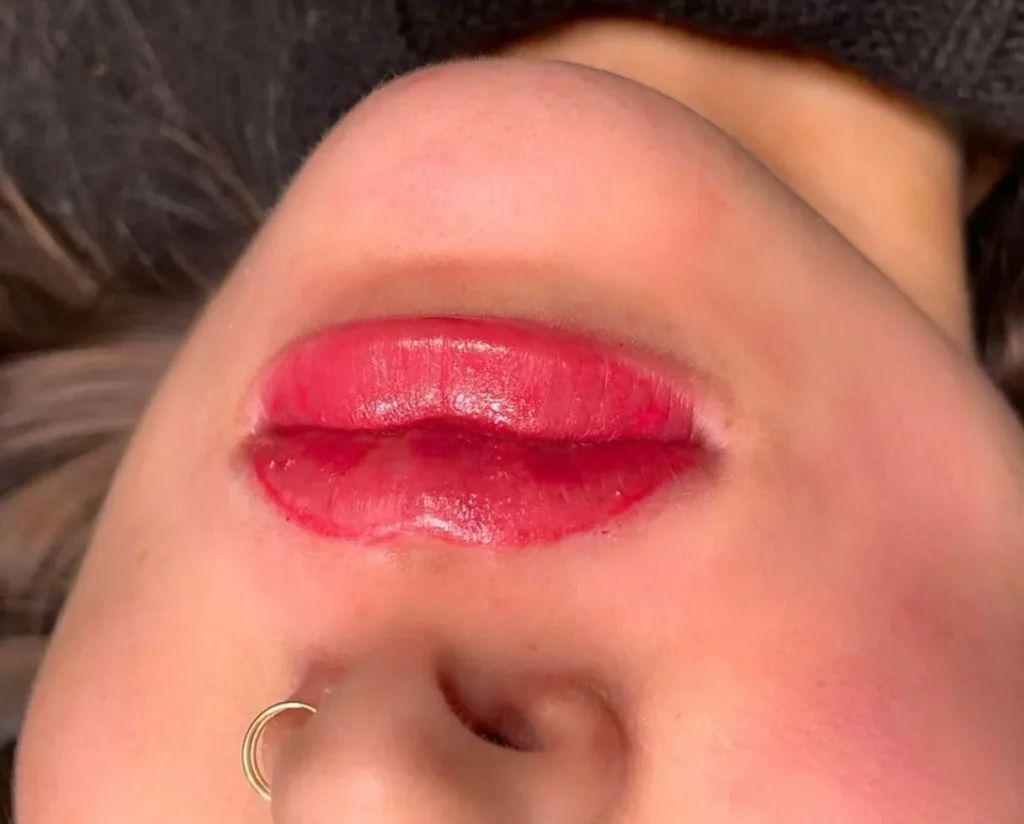
Salty snacks like chips, pretzels and processed foods will dry out your skin including the delicate lip tissue. Salty foods dehydrate you, making it harder for your lips to stay moisturised, which is key during the healing process. Using a good aftercare cream or aftercare balm is important but you’ll want to avoid too much salt to keep your lips moist and support healing.
Dry lips can lead to scabbing, which increases the risk of uneven healing or pigment loss.
Hot Drinks and Beverages
Hot drinks like coffee, tea, and hot chocolate should be avoided for the first few days after the procedure. The heat from these drinks will cause swelling and disrupt the formation of the protective barrier your lips are trying to form during the healing process. Hot liquids will also soften the forming scabs, which may fall off prematurely and cause patchy colour or uneven pigmentation.
Cold or room temperature drinks are better and you should stay hydrated by drinking plenty of water to keep your lips hydrated from the inside out.
Alcohol
Drinking alcohol immediately after your lip blush tattoo is not recommended. Alcohol thins the blood, which can cause excessive bleeding during and after the procedure. This will slow down the healing process and can cause sensitivity and colour fading.
Alcohol will also dehydrate your skin, making it harder for your lip skin to stay moist, which is key to a smooth recovery. Dehydrated lips are more prone to dry skin, cracking and flaking, increasing the risk of pigment loss.
Sugary Foods
A high sugar diet will suppress your immune system making it harder for your body to fight off infections during the healing period. Sticky or sugary foods like candies and baked goods will also irritate the healing skin on your lips and can cause mild itchiness or an allergic reaction.
Since your lips need to be clean and moisturised to heal properly it’s best to stick to whole, nutrient dense foods. Sugary foods will contribute to excessive sweating or bacterial growth around the lips which will delay healing and give unsatisfactory results.
Dairy Products
For some people, dairy can increase mucus production, which can cause irritation or discomfort around the tattooed area. Dairy doesn’t directly affect the tattoo, but it can cause skin sensitivities and flaking. If you experience irritation after consuming dairy, it’s best to reduce your intake for the first few days of healing.
Fish Oils and Omega-3 Supplements
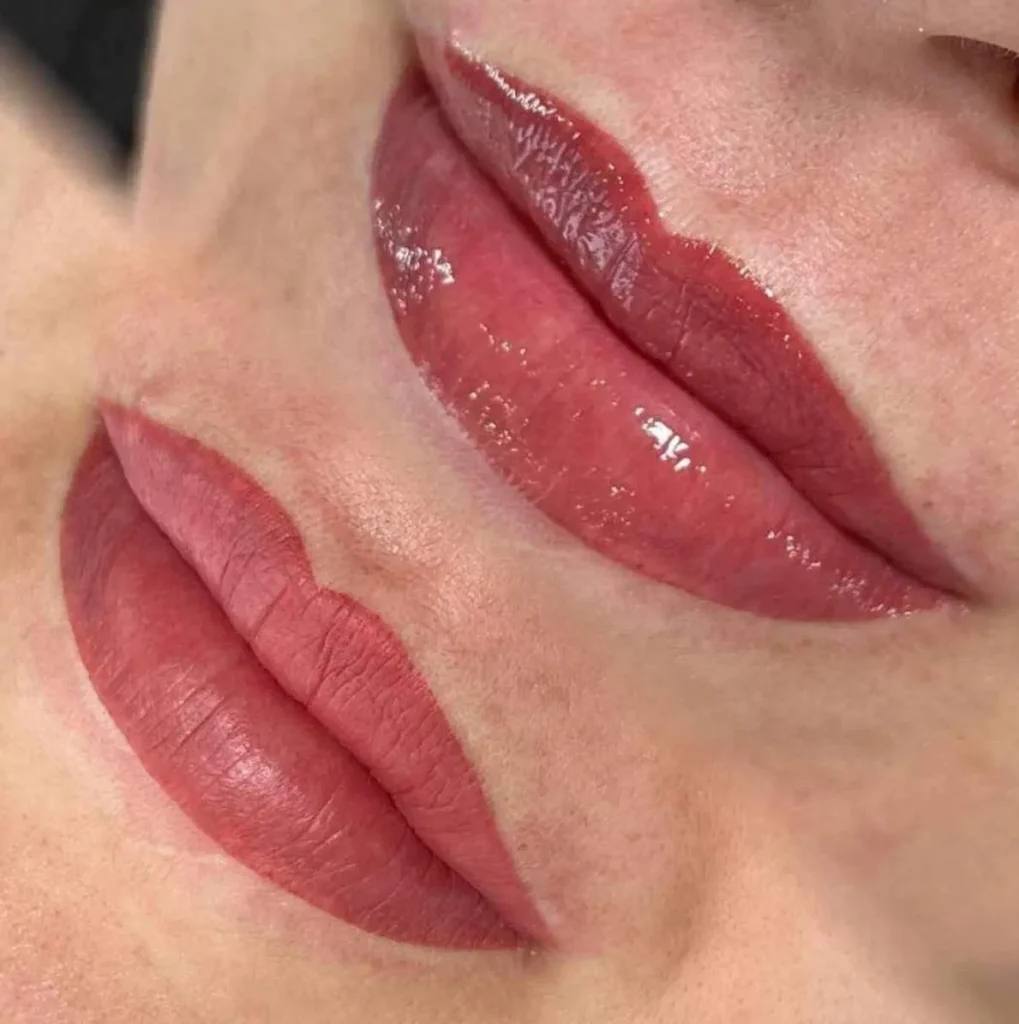
While omega-3 supplements are generally good for you, they are natural blood thinners. Taking these supplements after a lip tattoo procedure can cause excessive bleeding and prolong your healing time. It is best to consult with your tattoo artist before resuming any supplements that may interfere with the healing process.
Aftercare Tips for a Smooth Healing
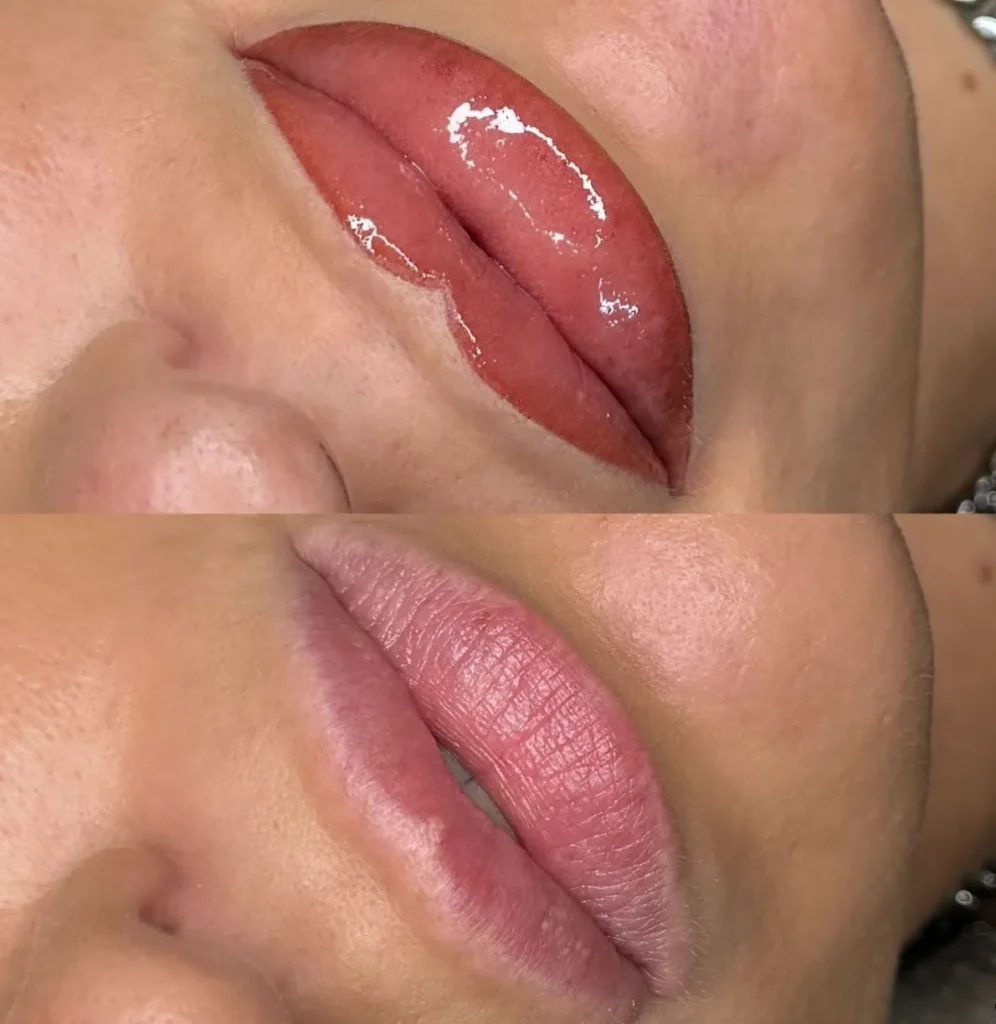
Besides avoiding certain foods, following aftercare instructions is key to getting the best results for your lip tattoo. Here are some tips:
- Use Aftercare Cream or Balm: Applying aftercare balm or aftercare ointment will keep your lips moist and protected. Hydration prevents scabbing, flaking and helps retain the pigment. Look for products recommended by your lip blush tattoo artist that are fragrance free and chemical free.
- No Direct Sun: Sun exposure can cause the pigment to fade or premature fading of your lip tattoo. Use lip balm with SPF once your lips have healed to protect your new lip color from UV rays. No tanning beds and no direct sunlight during the healing process.
- Drink Water: Drink plenty of water to keep your body and lips hydrated from the inside out. Hydration will promote faster healing and prevent dryness or cracking.
- No Makeup and Lip Products: Don’t apply makeup or use lip products (lip gloss or lip liners) for at least two weeks after your lip blush procedure. These products can interfere with the healing process and cause infections or uneven healing.
- Cold Compress for Swelling: If you have swelling, use an ice pack wrapped in a clean paper towel to reduce discomfort and inflammation. Don’t apply ice directly to the lips to avoid irritation.
- No Hot Showers or Steam: No hot showers or steam rooms, excessive heat can cause your lips to swell and interfere with the tattoo pigment settling into the skin. It can also cause uneven healing.
FAQ
How long should I avoid spicy food after a lip tattoo?
Spicy food should be avoided for 1-2 weeks after your tattoo. Spices can cause irritation, swelling and bleeding which can interfere with the healing and affect the final lip color.
Can I drink alcohol while my lip tattoo is healing?
Avoid alcohol for 1-2 weeks post-procedure. Alcohol thins the blood and can cause excessive bleeding, which can lead to pigment loss and delayed healing.
When can I use regular lip balm after a lip tattoo?
You can use the aftercare balm or healing balm immediately after the procedure. But wait until your tattoo is fully healed before using regular lip balm or any other lip products.
What should I eat during the healing stage?
Soft, non acidic foods like yogurt, smoothies and oatmeal are good options. Avoid foods that can irritate your lips like spicy, acidic or salty foods.
How can I get cold sores after a lip tattoo?
If you get cold sores or herpes, take your antiviral medication as directed by your doctor before and after the procedure. Cold sores can cause problems and delay healing.