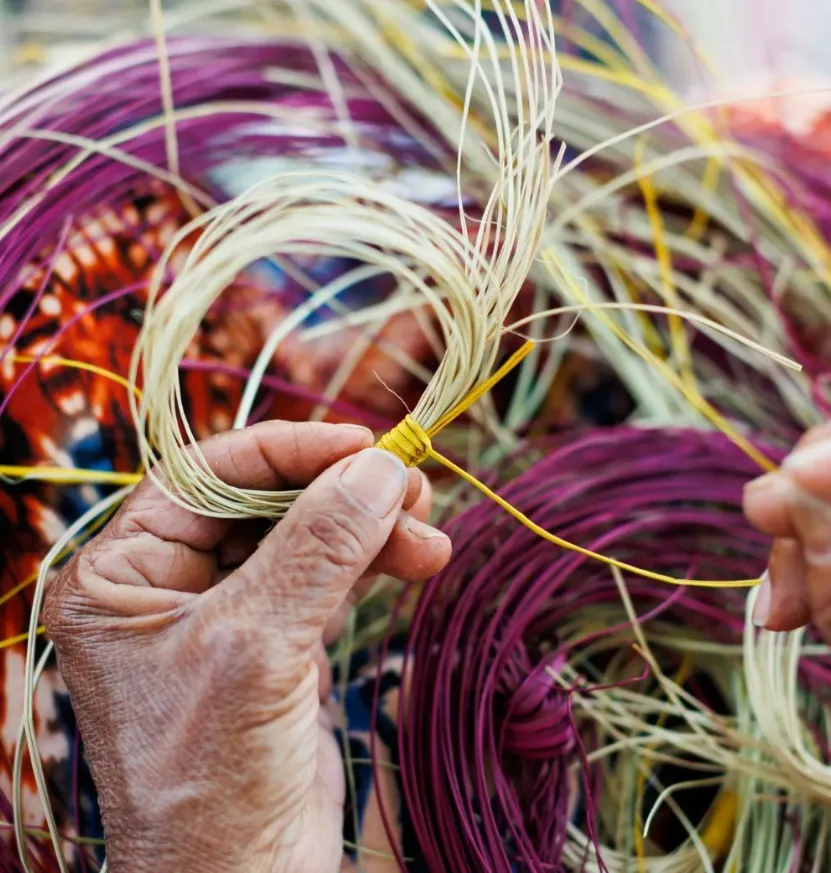
How to Respect Indigenous Culture While Visiting Kakadu
Kakadu National Park, a UNESCO World Heritage site, has beautiful landscapes and a rich Aboriginal culture that’s been here for over 65,000 years. This land demands respect. This guide is to help you respect and connect with the Indigenous people of Kakadu so you can have a good and respectful visit.
Aboriginal Land In Kakadu
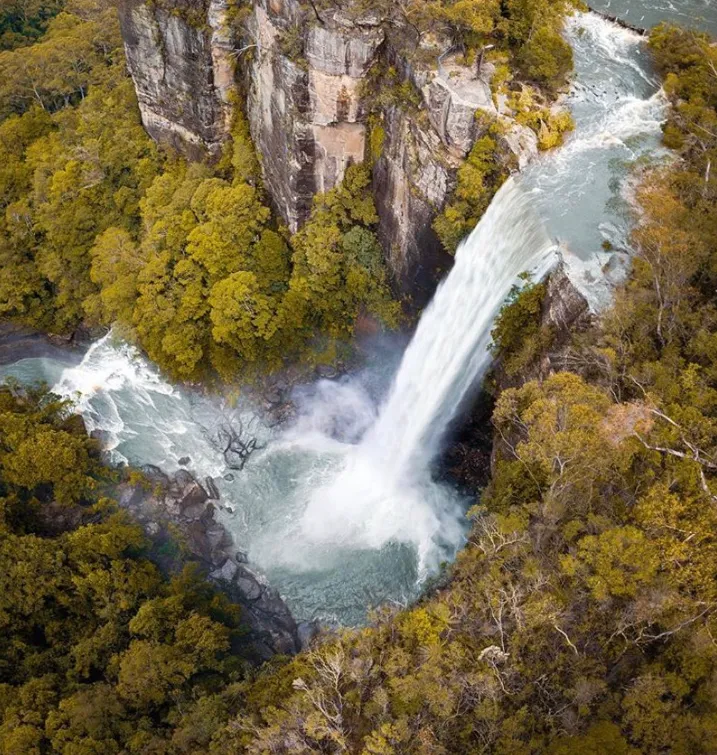
Kakadu National Park is a big piece of Aboriginal land with so much history and cultural significance. To the Bininj/Mungguy people, however, this land is more than a geographical location – it’s their spiritual and cultural self in one living being. The relationship with the land here goes back to the Creation time when stories and traditions were embedded in natural features like Stone Country or Jim Jim Falls and Twin Falls. Knowing why these sacred sites are important and that they are part of their stories helps non-Aboriginal Australians understand just how much Indigenous people connect to Kakadu.
Sacred Sites And Their Significance
In Kakadu, there are many sacred sites such as rock art galleries, ceremonial grounds and Gunlom Falls’ natural infinity pools, which are highly valued by Aboriginal cultures. These show creation stories through x-ray art or ochres used in bark paintings. These sites are so important; they have been a canvas for thousands of years of cultural and spiritual expression. As visitors, we should follow the guidelines set by the traditional owners not to touch or disturb these places because if we don’t do what they say, then nobody else will see them in future generations.
Who Are The Traditional Owners?
The traditional owners of Kakadu National Park are the Gundjeihmi, Jawoyn, Karrabing and Limilngan-Wulna people, who are all Bininj/Mungguy. Each of these groups has its own kinship terms and social rules, so this cultural heritage is very broad and complex. They maintain a strong connection to the land through their cultural practices and community life. Knowing who the traditional owners are and how they relate to each other will give visitors an insight into the cultural diversity of Kakadu.
Aboriginal Communities And Kakadu
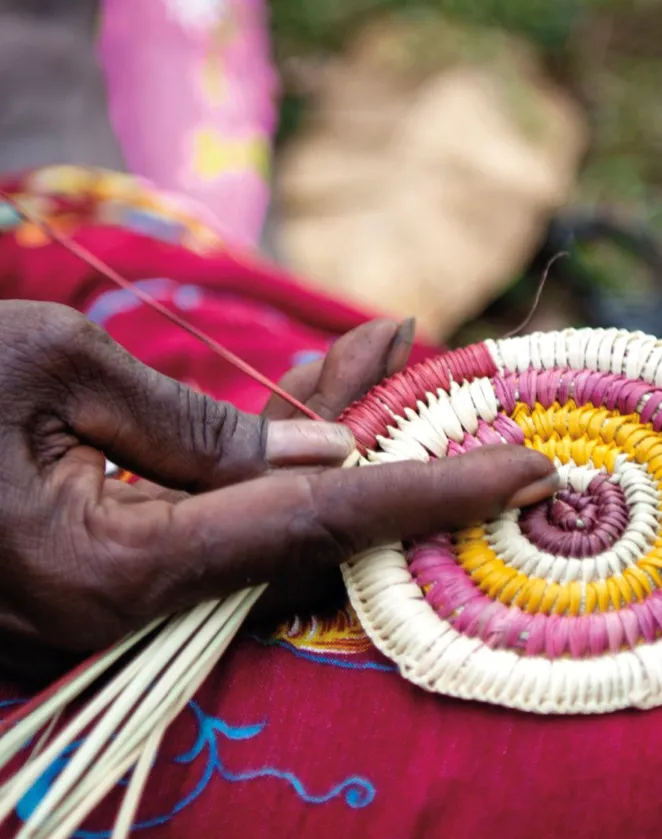
The Aboriginal communities are involved in the management and conservation of Kakadu National Park. They work with Parks Australia and the Kakadu Board of Management in areas from conservation programs to cultural education. They make sure sacred sites and natural landscapes are respected and looked after. Community centres like Warradjan Cultural Centre or Bowali Visitor Centre are sources of information about Aboriginal culture and intercultural learning.
Kakadu Culture
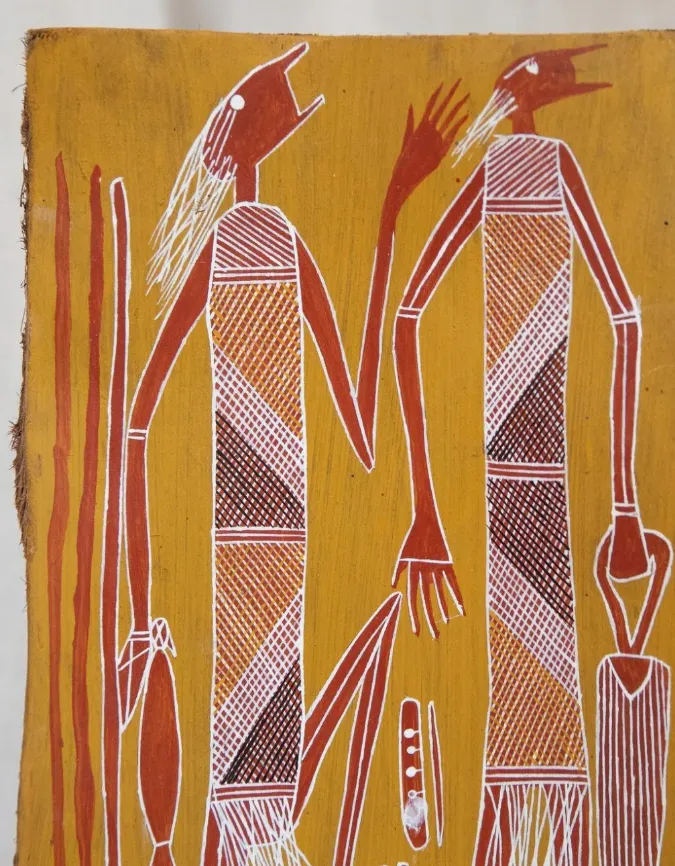
Kakadu has ancient and modern culture. A visit by you can help to conserve our living culture by experiencing cultural activities such as Aboriginal rock art tours or learning about bush tucker. Marrawuddi Arts & Culture centre is one of the park’s cultural centres where we can get in touch with indigenous Australians’ art, identity etc. If you respect and understand their culture then you contribute to its survival.
Cultural Centres in Kakadu
Kakadu Cultural Centres, Warradjan Cultural Centre and Bowali Visitor Centre are must-see for those who want to learn more about Aboriginal cultures and traditions. While these centres are educational in nature, they are also about exposing visitors to the diversity of Indigenous heritage. At the Warradjan Cultural Centre, there are exhibitions of traditional Aboriginal art, cultural artifacts, and interactive displays that provide insight into the lifestyle and spiritual beliefs of Kakadu’s indigenous people. It is named after a local Gagudju word for ‘meeting place’ because it’s a place for cultural dialogue and education.
Similarly, the Bowali Visitor Centre provides a holistic view of the park’s natural and cultural values. Visitors can see detailed exhibits on Kakadu’s diverse ecosystems, the history of the park and the Aboriginal groups that have lived here for thousands of years. Educational programs at this centre help visitors understand Indigenous Kungarakunja National Park and provide respectful ways to interact with local Aboriginal communities through guided tours.
Engaging with Living Culture
Engaging with the living culture in Kakadu is not just about being a passive observer; it’s about being an active participant through respectful learning experiences. For example, some operators like Kakadu Cultural Tours or Kakadu Billabong Safari offer guided walking tours that allow visitors to interact with sites that matter most to them within national parks. These tours are led by informed indigenous guides who will provide information on traditional land use patterns, cultural stories or local fauna. In this way, tourists gain knowledge about how Aborigines’ land works and what different places mean to them spiritually within a park.
Come with an open mind to receive what’s being offered rather than bringing your own preconceptions. This means understanding the cultural context and not doing things that might be seen as inappropriate. Proper eye contact and not asking invasive questions, for example, are key to a positive and respectful interaction between visitors and Indigenous people. By doing this, you can build a relationship with local Aboriginals.
Culture
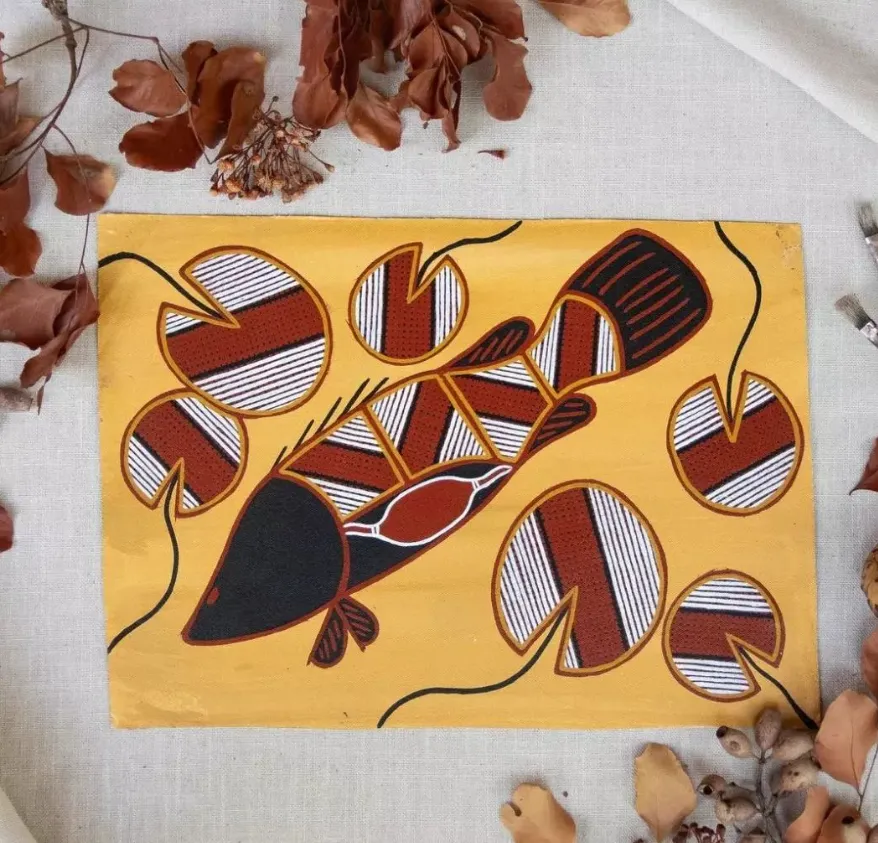
However, respecting Aboriginal culture isn’t just about following procedures; it’s about understanding social behaviours and cultural norms at a deeper level. The way an Aboriginal person approaches things can be very different to a non-Indigenous person. For example, in many Aboriginal cultures, direct unbroken gaze can be seen as a challenge or aggression rather than engagement or interest. So we can build a relationship with the indigenous people of Kakadu National Park.
This also means recognising kinship relations and using the right language. Listen carefully while speaking respectfully when interacting with indigenous peoples. Understanding the importance of community and family in Aboriginal cultures means tourists can interact more effectively and really respect their traditions and way of life.
Traditional
Kakadu’s traditional features are in the natural environment. Aboriginal people have a long history of painting with local materials like ochres and charcoal. The artworks on rocks and barks are not just art but also tell historical facts and stories. The rock art and x-ray art throughout Kakadu are the Aboriginal people’s connection to their land and spiritual beliefs.
Visitors can gain a deeper understanding of Aboriginal culture by attending workshops or guided tours that focus on these traditional practices. Watching or learning to paint by traditional means will help tourists understand the cultural significance behind many artistic expressions, which are the keepers of stories and histories.
Endorsement for Aboriginal Communities
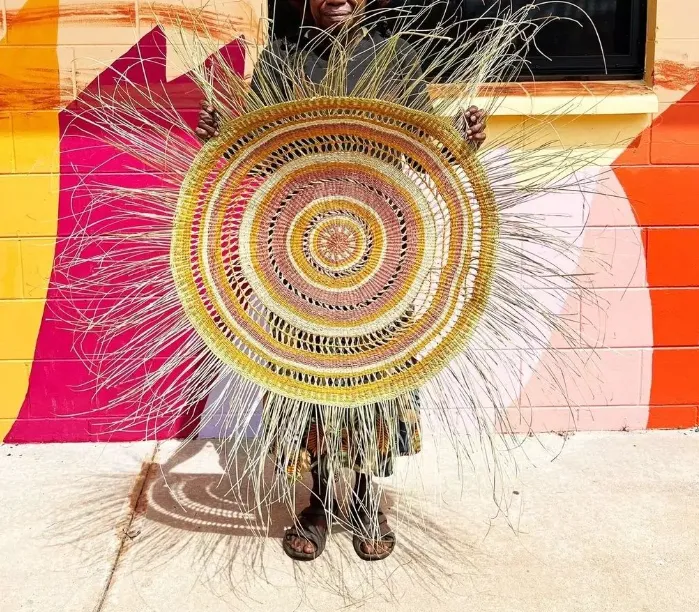
Supporting aboriginal communities means actively contributing to local economies and community-driven initiatives. Visitors can support local aboriginal communities by staying at hotels owned by Indigenous people, like the Mercure Kakadu Crocodile Hotel, which works with local aboriginal communities to allow visitors to meet the real Indigenous people living there. If you go on a tour, it will be a respectful experience for you to be led by an indigenous guide who will make your time enjoyable and enriching and keep the tourism dollars in the community.
This is also achieved by supporting community-based projects and cultural initiatives that maintain cultural heritage, social values, etc, and keep their economy alive. For example, buying local crafts, attending cultural events or contributing to Indigenous-led conservation projects could be some of those ways. By doing so, visitors contribute to the life and culture of the Indigenous people of Kakadu, and so the benefits of tourism flow back to them.
Take a Tour
This allows visitors to connect with the park’s cultural heritage through real experiences offered by Aboriginal guides like Kakadu Cultural Tours, who will take you back in time to the park’s past. These 4 day Kakadu tours are designed to give you an in-depth understanding of the Aboriginal perspective on Kakadu’s natural and cultural landscapes. The guides will share their personal stories, cultural knowledge and insights into traditional practices to give you a unique and personal view of the park’s heritage.
By doing these tours, you will gain a better understanding of the spiritual and cultural significance of many sites in Kakadu. These tours must be approached with respect and curiosity, always considering the cultural context of any traditions being shared during them. Both parties will benefit from the experience and respect the rich history of the Aboriginal people here.
Permits for Kakadu
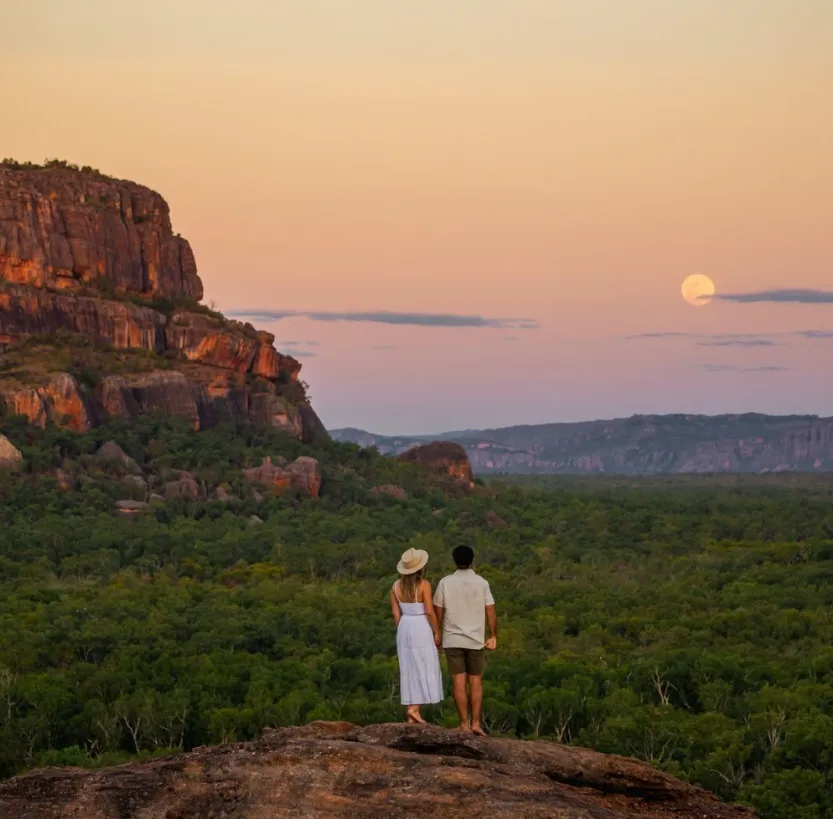
Some areas of Kakadu National Park require permits for entry, especially to sacred or sensitive sites. Permits help manage tourist impact while conserving natural resources and protecting cultural values in the park. So make sure you get your permits in advance and follow any restrictions.
Compliance and Permits
Cultural heritage is preserved through compliance with regulations and permits in Kakadu. All commercial activities including tourism are managed by the Kakadu board of management so that they comply with environmental standards and Aboriginal customs. Make sure you read the guidelines before you go and have the right permit documents for it.
Summary
Visiting Kakadu National Park in a way that respects Indigenous culture is good for both visitors and the Indigenous community. Because visitors understanding of Aboriginal land, following cultural rules and helping local communities to preserve their cultural values is what makes it appreciated and conserved. Be part of this ancient culture in a considerate and respectful way so you can make your visit memorable.
FAQ
Why are sacred sites important in Kakadu National Park?
There are many spiritual and cultural practices embedded in Kakadu’s sacred sites like rock art galleries, ceremonial sites etc. These sites carry creation stories, ancestral connections so important to preserve through culture.
How do I interact with Aboriginal people on my trip?
Don’t stare at people all the time, which can be weird and other things. Respectful interaction with an open mind and following guidelines set by the indigenous communities will make for meaningful interactions.
Are there any cultural sites I should visit in Kakadu?
Some of the main ones are Warradjan Cultural Centre, Bowali Visitor Centre and various Rock Art Galleries; these centres and sites will give you an insight into Aboriginal culture and history.
What permits do I need if I go to certain areas in Kakadu?
And some parts of Kakadu require permits especially those that are culturally sensitive or require special access so it’s good to get these documents before you go and follow what they say about being respectful visits.
How do I help Aboriginal communities on my trip?
So that the benefits of tourism are shared amongst indigenous people and their heritage is preserved for the long term and not lost over time.