Marvel at hidden rock art galleries in the Top End
The Top End of Australia, with its stunning natural beauty and rich indigenous cultures, has a secret to share. Hidden rock art galleries that tell the story of the deep connection between Aboriginal people and country. This is part of the Northern Territory that includes Kakadu National Park, Litchfield National Parks, and more. The Top End is a land of big skies, ancient rock art and vibrant culture, where every corner tells a story of Australia’s past and ongoing Aboriginal culture.
Top End’s Cultural and Natural Heritage
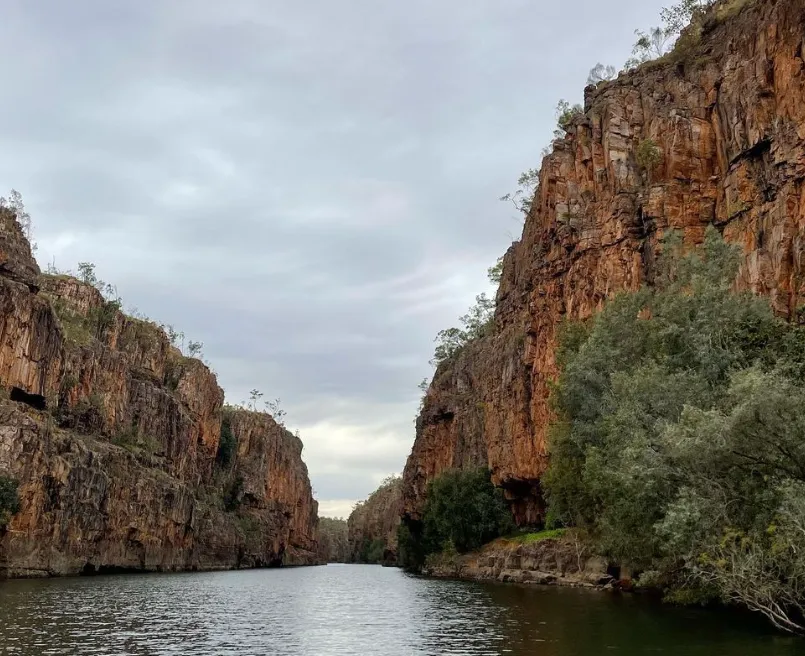
The Top End of Northern Territory is full of contrasts and meaning. Nitmiluk Gorge’s lush rainforest canyon and the views across the Arnhem Land escarpment are some of the many natural wonders of this place that have shaped the lives and cultures of its indigenous people. For thousands of years, Litchfield National Parks like Florence Falls, Wangi Falls, and Crystal Falls have been the beautiful country that supported Aboriginal life. There is a rich cultural tapestry in this ancient landscape of rocky slopes, bouldery outcrops and monsoonal rainforests.
Rock Art as a Window into Aboriginal Culture and History
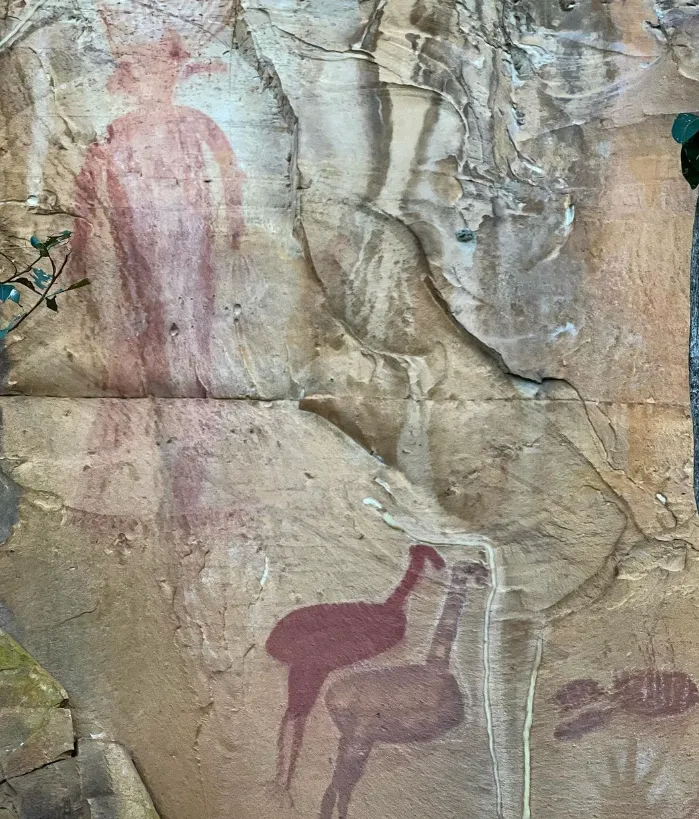
The ancient rock art galleries throughout the Top End, like those in Kakadu National Park and Arnhem Land, are windows into the cultural heritage of the first Australians. The rock art along the route, including rock shelter overhangs, tells stories of the ceremonies they performed long ago and represents important ancestral beings. The art in the paintings and carvings also holds spiritual meaning within the cultural values of the tribes.
Rock art is more than just an aesthetic experience; it’s a window into aboriginal culture and their spiritual beliefs and connection to the land around them. Each site from Kakadu’s ancient rock galleries to those along the Finke River is a different indigenous culture and its timeless link to the environment.
Indigenous People’s Connection to Country
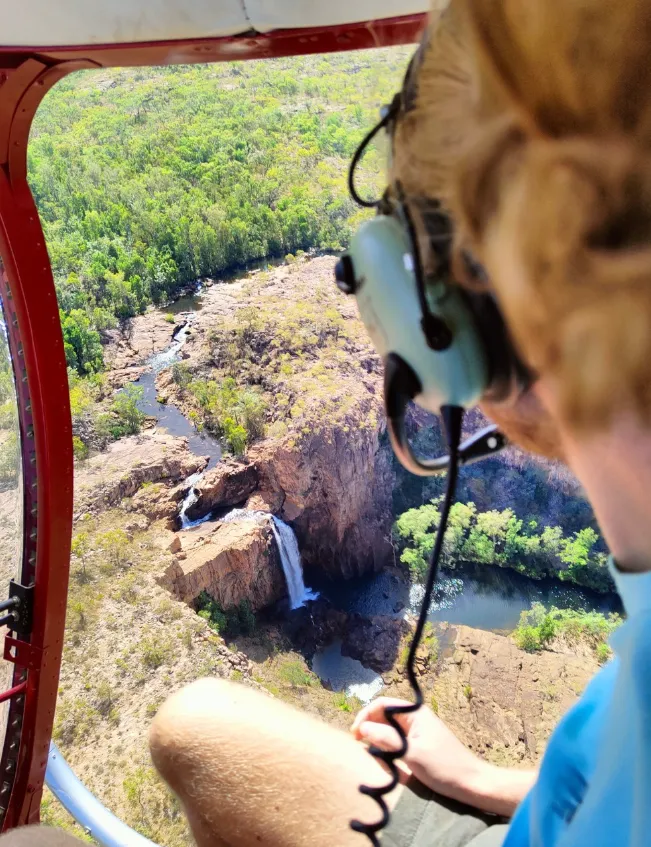
For the Indigenous people of the Top End, the land is a living being with deep spiritual meaning. This connection is evident in the sacred rock art sites and ongoing cultural practices that respect the old heritage. Aboriginal people’s connection to the country is also expressed through art and stories that have been passed down through generations. Visiting these ancient rock art sites is a rare opportunity to understand the strong cultural ties between Indigenous Australians and their ancestral lands.
Hidden Aboriginal Cave on Franklin River
Franklin River has many secrets, one of which is a hidden Aboriginal cave. Rare chance to see ancient rock paintings on the walls, this place is only accessible if you’re on a guided 1 Day Kakadu tours from Darwin. The artwork in the caves, which have intricate designs and symbols, lets you truly appreciate the depth and spirituality of Aboriginal culture and civilisation. The Franklin River region is still remote and untouched, so it’s great proof of the heritage and cultural practices of the Indigenous people.
Bush Tucker in the Red Centre
A trip to the Red Centre is a chance to try real bush tucker. This means you get to see traditional food sources and how they were prepared for centuries. Tasting local herbs and eating traditional dishes will satisfy your taste buds and also give you an insight into the importance of bush food in Aboriginal life.
Rock art galleries in Top End
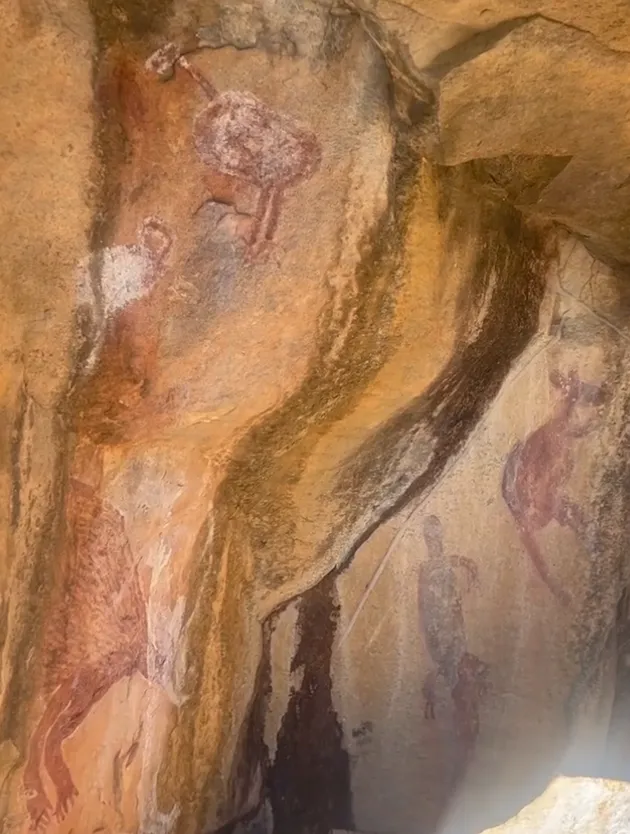
When you visit these ancient rock art sites it’s like traveling through Australia’s history and this helps you understand the cultural connection and spiritual significance imprinted on the land; every site tells a different story about life, history or artistic expression from an Aboriginal point of view.
Wybalenna tragedy on Flinders Island
Wybalenna Aboriginal Settlement on Flinders Island has historical and cultural significance. This is a place where Aboriginal people lost their homes and lives during the early days of Australian colonization. So, paying respect to those who died and lost their culture at Wybalenna is the foundation upon which you can start to understand Australia’s complex history and acknowledge the impact of colonialism on Indigenous people.
Standley Chasm, owned by locals
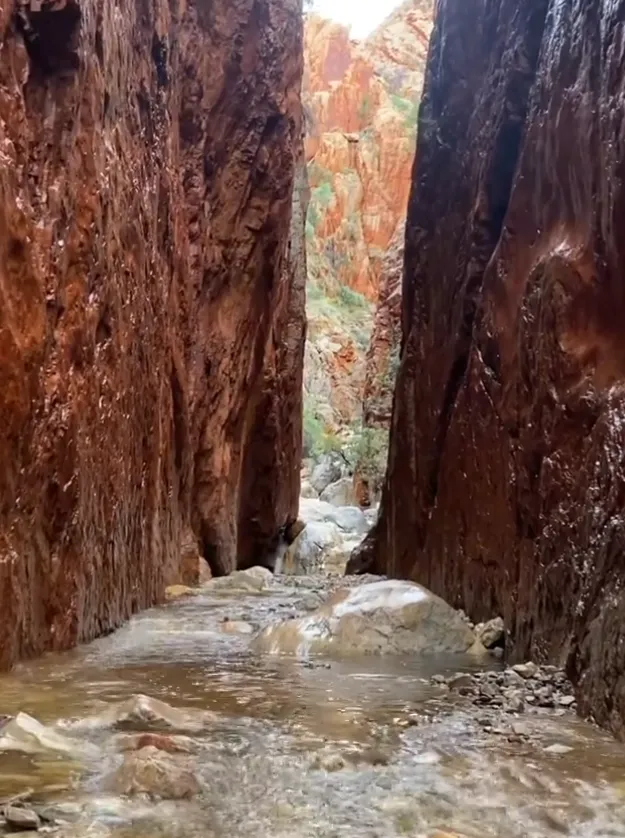
Standley Chasm in Central Australia is a natural wonder still owned by the locals. It’s also a cultural site, not just a pretty sight, for the Aboriginals too. Cultural tours led by indigenous guides will give you an insight into its history, traditions and spiritual significance to Standley Chasm.
Visit ochre sources for ceremonies
Ochre the natural pigment used in ceremonies and aboriginal art has deep cultural significance. In the Top End there are original ochre sources where this stuff is obtained from and we will explain their role in traditional practices here. Using ochre shows artistic expression and cultural wealth among aborigines especially when they draw on rocks or use it in ceremonies.
Learn about Aboriginal culture at Kings Canyon
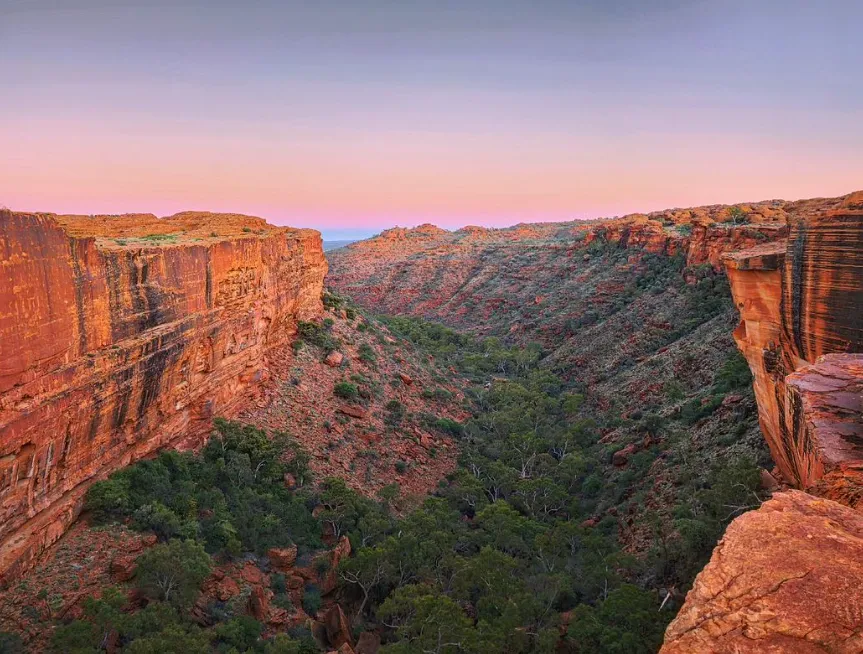
Kings Canyon, in the heart of the Australian outback, is a great place for cultural conversations and learning about Indigenous Australian culture. Cultural talks at Kings Canyon will give you a deeper understanding of Aboriginal history, customs and the spirituality of the land. The dramatic landscape of Kings Canyon, with its big desert skies and ancient rock formations, is a powerful backdrop for learning about Indigenous culture.
Summary
The Top End is where nature and culture collide to give you something special. This region has a rich Aboriginal culture and Australian history from hidden rock art galleries in Kakadu national park & arnhem land to spiritual landscapes of finke river or Flinders Island. Visiting these ancient rock art sites and Indigenous experiences will give you a deep connection to Australia’s past and present and make your visit to this amazing part of the world even more special.
FAQ
What are some of the best rock art sites in the Top End?
Kakadu National Park, Arnhem Land and Burrungkuy (Nourlangie) ancient rock art galleries are some of the notable rock art sites in the Top End. These are places with intricate paintings and carvings that show Aboriginal cultures.
How can I try real bush tucker in the Red Centre?
Real bush tucker can be tried through guided tours and cultural experiences in the Red Centre. Examples are tasting local herbs or traditional dishes such as kangaroo tail soup, which will give you an insight into aboriginal food and culture.
What’s the significance of the Standley Chasm?
Managed by Traditional Owners; Standley Chasm is a significant cultural site with dramatic sandstone gorge walls full of colour- you can do cultural tours to learn about the area’s history, customs or spirituality.
Why is Wybalenna Aboriginal Settlement important?
The Wybalenna Aboriginal settlement on Flinders Island is important to remember the sad history of Aboriginal displacement and loss during colonial times. It’s about what colonialism did to Indigenous Communities.
Kings Canyon Indigenous heritage?
At kings canyon you can do cultural talks and tours with indigenous guides. These will give you an insight into Aboriginal history, customs and the land.